
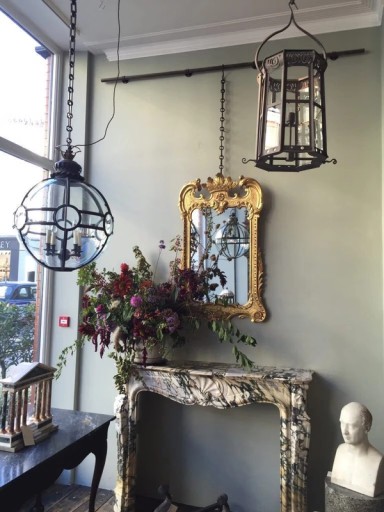
Celebrating Design Week and taking inspiration from the Arts & Crafts aesthetic.
1 March 2017 • 4 min read
This week London celebrated Design week and there has been much to celebrate and enjoy!
“Good art is done with enjoyment.” ~ Ruskin
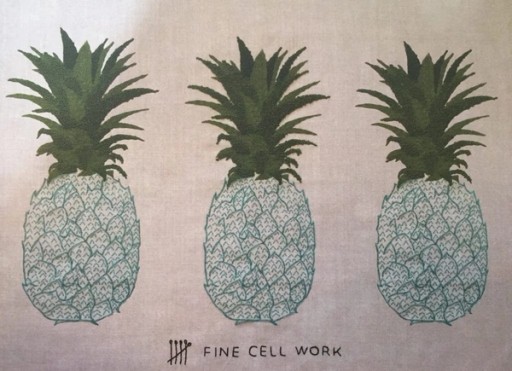
This week, London celebrated Design Week. There was a wonderful evening celebrating the life of Melissa Wyndham and her inspirational work with the Fine Cell Work charity – Fine Needlepoint Handmade in British Prisons - which is approaching its 30th anniversary, and there has been much to celebrate and enjoy! On Monday there was a wonderful evening celebrating the life of Melissa Wyndham and her inspirational work with the Fine Cell work charity – Fine Needlepoint Handmade in British Prisons, which is approaching it’s 20th anniversary!


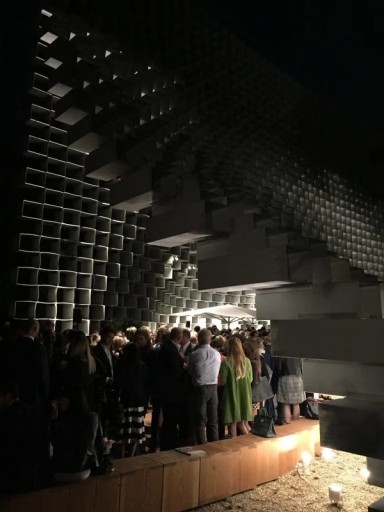

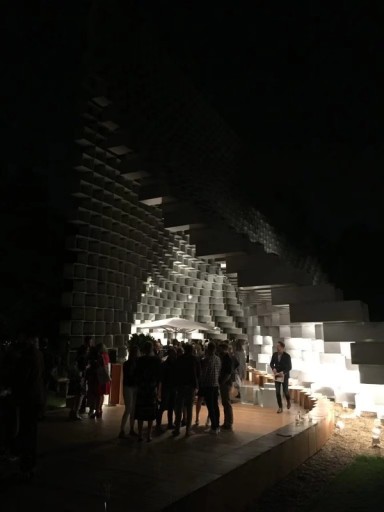
On Wednesday, we started the evening’s revelries at our fellow Pimlico road shop owner, Rose Uniacke, to see her wonderful shop and have a drink before we ran to the World of Interiors party at the Pavillion, Serpentine, designed this year by Danish architect, Bjarke Ingels.
His brick like open wall structure is inspired from the centuries old wooden houses of the Faroe islands which the inhabitants of the islands continue to preserve. In a similar vein his architectural structure will continue to be installed in future projects around the world.
Over in the heart of Soho, Burberry are celebrating the best of British artists and crafts with a show named ‘Makers House’. Their latest fashion collection inspired from the crafts and artisans of past centuries stands on view, along side Britain’s finest craftsmen who are creating products in situ from ancient old hand crafted skills. It includes textiles and bed linen which is being made especially for a four poster bed for the eighteenth century mansion Ditchley Park.

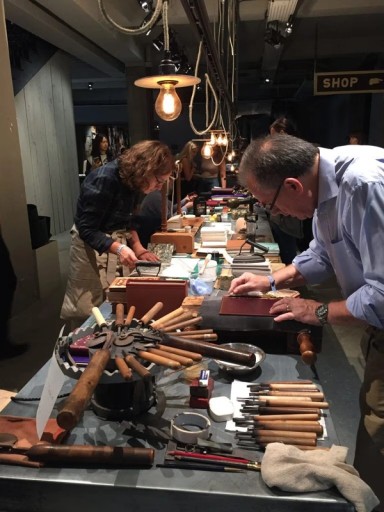

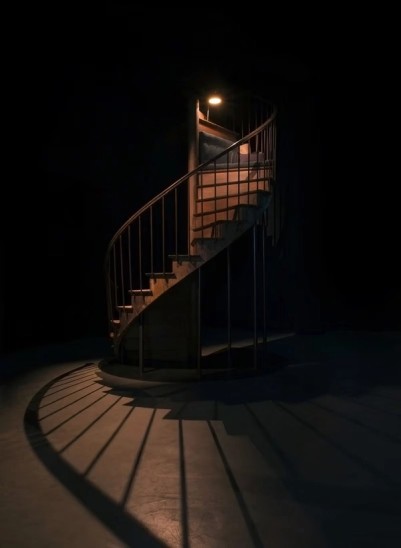
The show is an inspirational oasis and holds a beautifully curated balance between a live interactive and static show, including the most hauntingly magnificent and poetic piece of sculptural art by our great friends, James plumb.
"The nineteenth-century spiral and steel staircase is no longer a means to go somewhere; it has become the somewhere”. A seat in place of steps. A destination in itself.

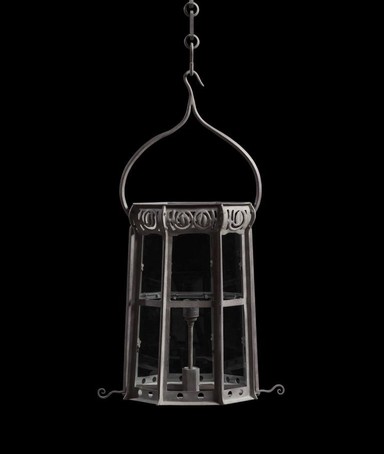
In conjunction with this great return to the celebration of craftsmanship, we have just brought out two new hanging lanterns, inspired from the Arts & Craft period (1880-1960) the Ruskin and the Baillie.
An Arts and Craft eight sided copper lantern. The glazed sides with decorative pierced repoussé floral decoration above, hung from a hand forged metal hook.
The Arts & Craft movement remains to be one of the most influential design periods of all time. It was a movement not only of strong aesthetics but of principles and ideals. During a time of mass industrialisation it was a return to craftsmanship and the hand that makes it, rather than the machine.

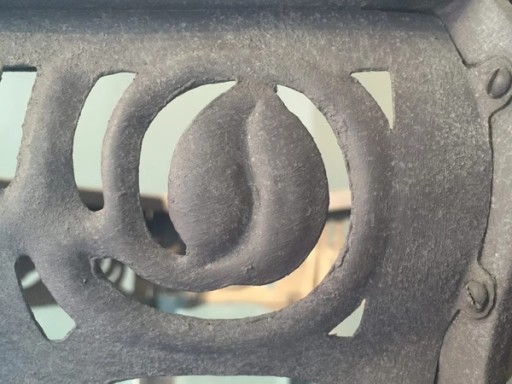
The Ruskin is named after John Ruskin, one of the most significant and influential pioneers of Arts & Crafts, who explored the importance and correlation between Nature, Art, Society and Labour. He fought against the division of classes through labour and was an advocate for environmentalism and sustainability. He believed that the only true course of life is through preservation and conservation, and he inspired his friends, Octavia Hill and Hardwicke Rawnsley, to found the National Trust.

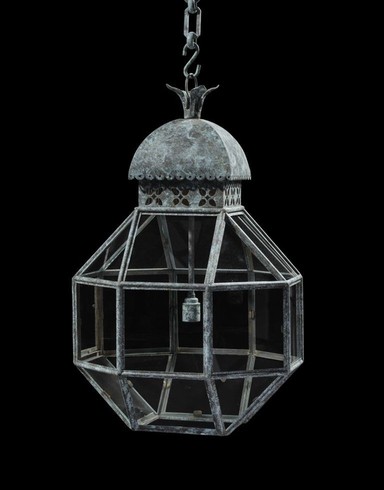
One of the most important architects of the Arts and Crafts period was Baillie Scott (1865-1945), after whom we have named the Baillie hanging lantern.
This elegant lantern has taken much of its design from the Arts and Crafts aesthetic movement. The cupola top pierced and crowned by a foliate decorated hook above a multisided glazed body.

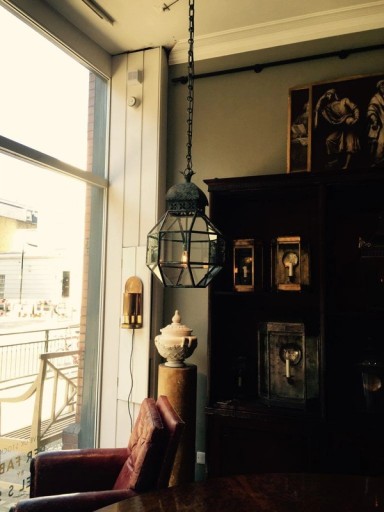
Baillie Scott was a prolific designer whose philosophy was to honour precise craftsmanship whilst reflecting a truth to material and function. His approach to design resonates very much with my own ethos when I am designing the Jamb reproduction products, and I take inspiration from all these great architects, designers and artists from the past centuries and today who design with integrity and heartfelt passion.