
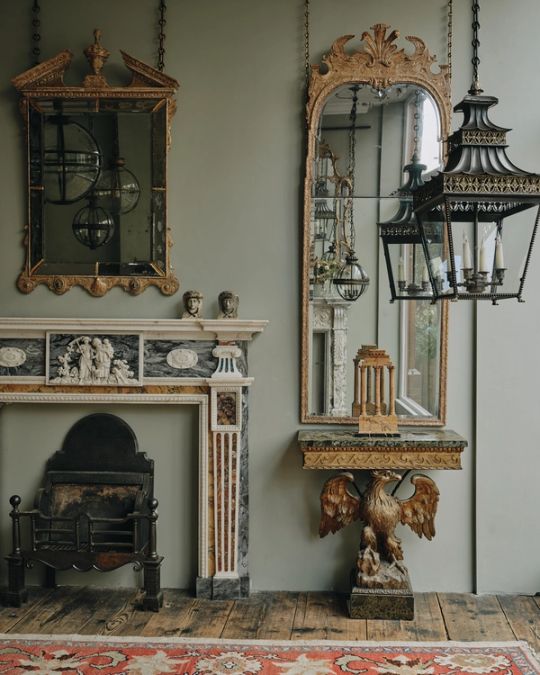
A magnificent 18th century chimneypiece with a story to tell.
7 September 2018 • 3 min read
The marriage of the style of two pivotal Georgian architects, Henry Cheere (1703 - 1781) and James Paine (1717 - 1789).
“Show me your palm and I will reveal your future”: we can almost hear these words spoken by the fortune teller as she holds the hand of the young shepherdess during their encounter. This scene is depicted on the finely carved tablet of an exquisite George III antique chimneypiece. An album of watercolours conserved at the Victoria and Albert Museum confirms the attribution of this pastoral composition to the sculptor Henry Cheere.


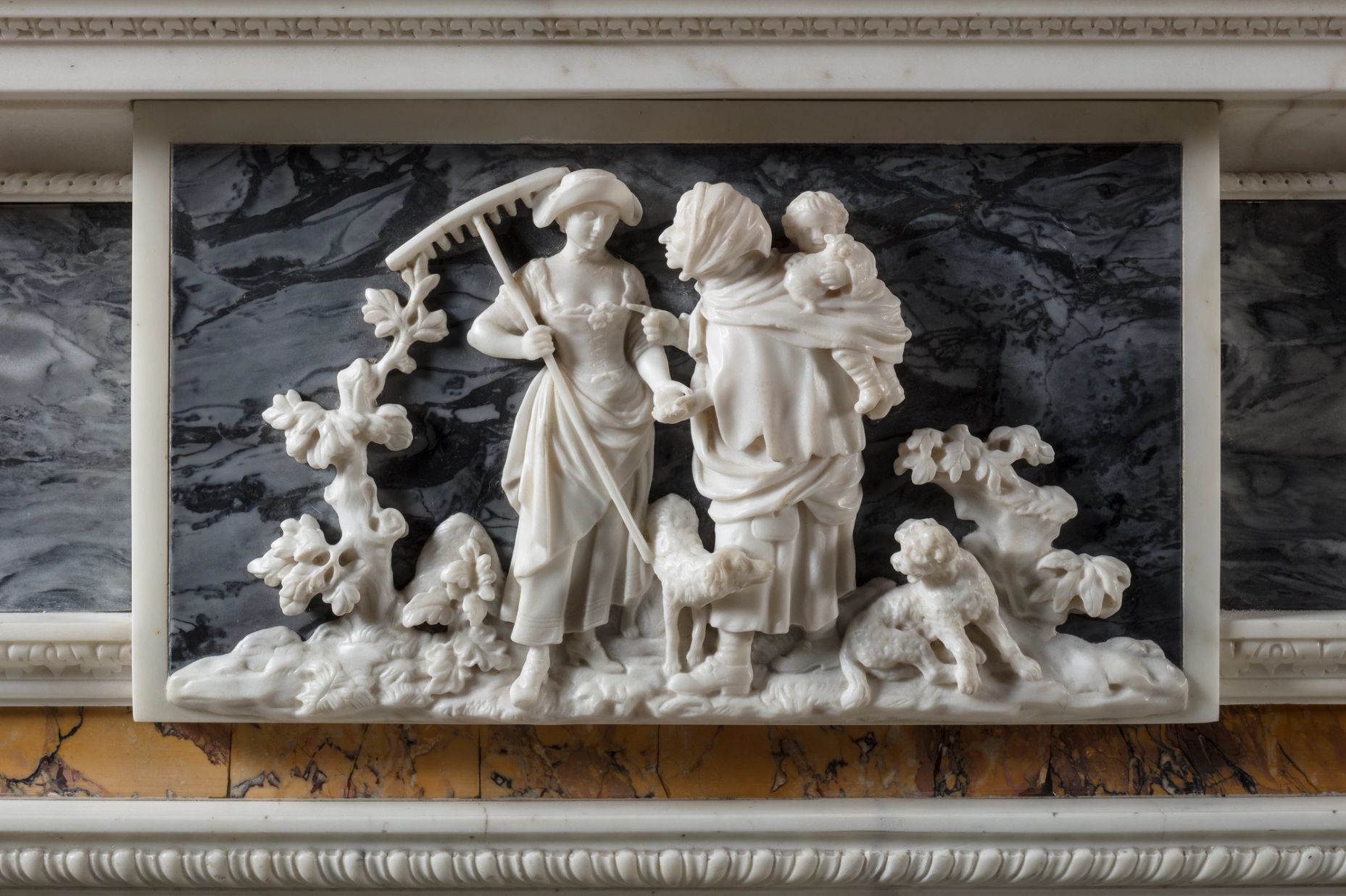

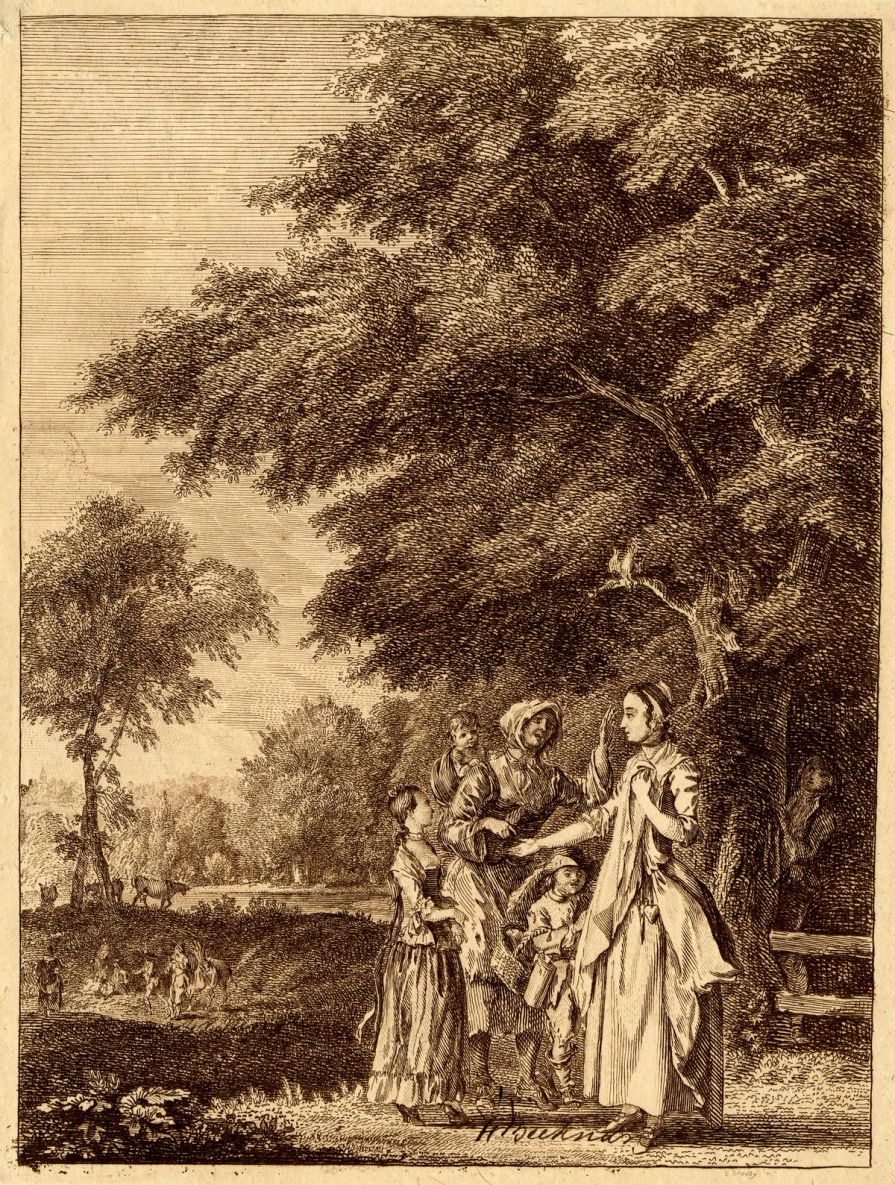

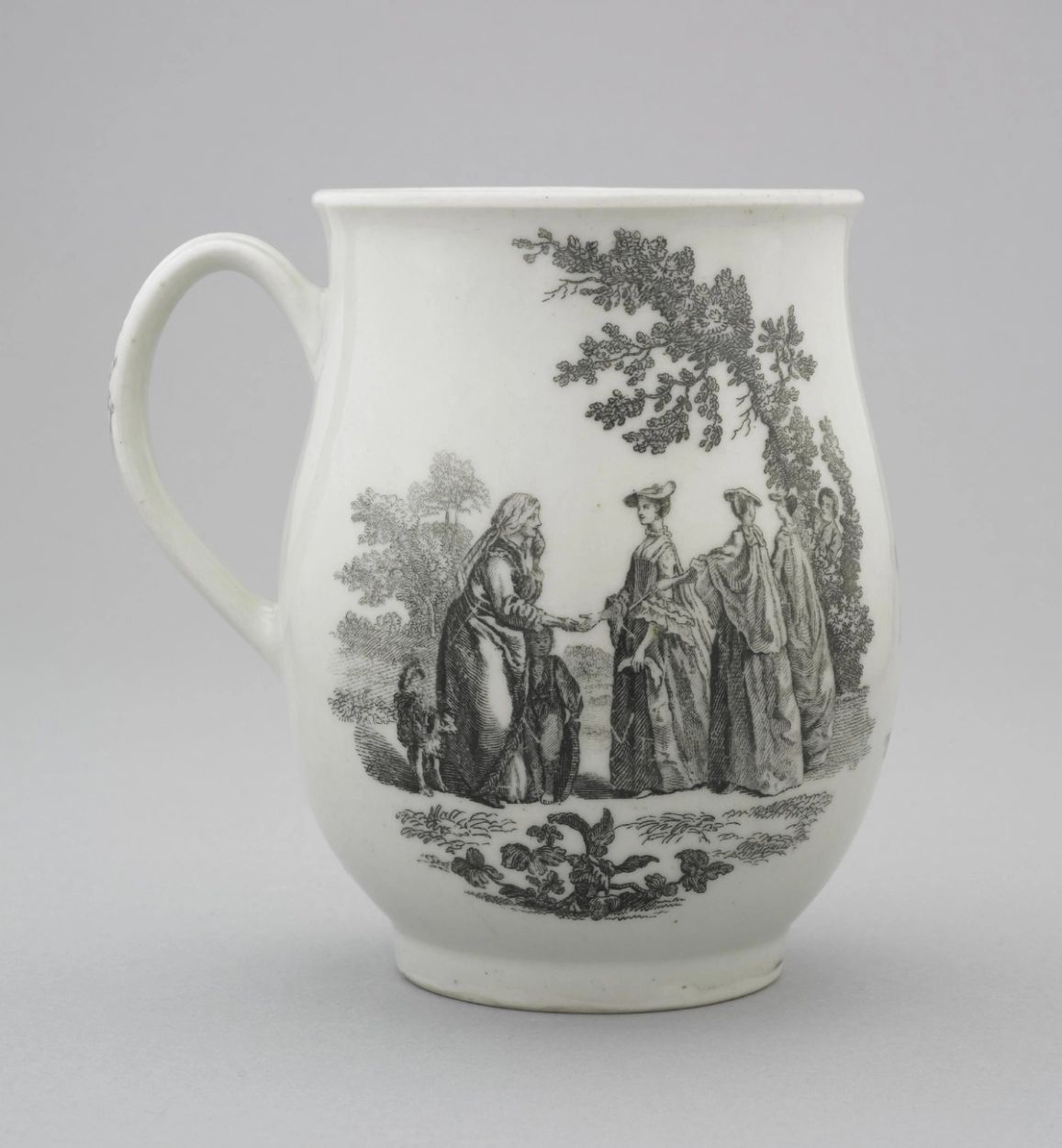

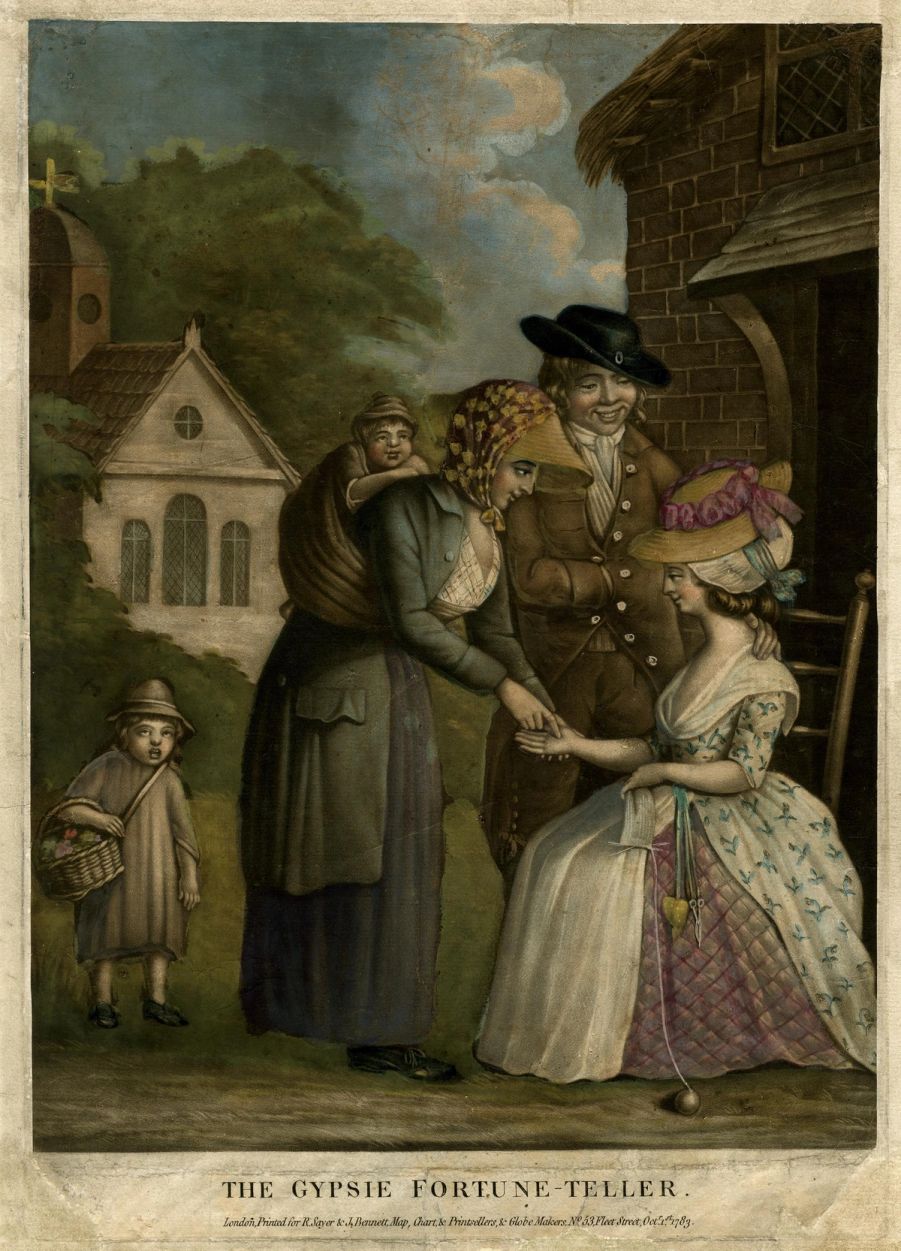
The popular theme of the fortune teller, originally found in literature and theatre during the 15th century was later developed by Italian, French, and Dutch painters throughout the following centuries. Typically portrayed as an elderly woman, wearing the ragged garments of a traveller and often accompanied by children, she is juxtaposed with the client’s innocence and naïveté, and with her refined, affluent beauty. This contrast hints at exoticism, sensuality, and mystery. Within the context of the Rococo, the theme acquires a more positive connotation: old age and hardship are absent, and only good fortune is foretold.

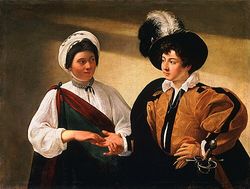

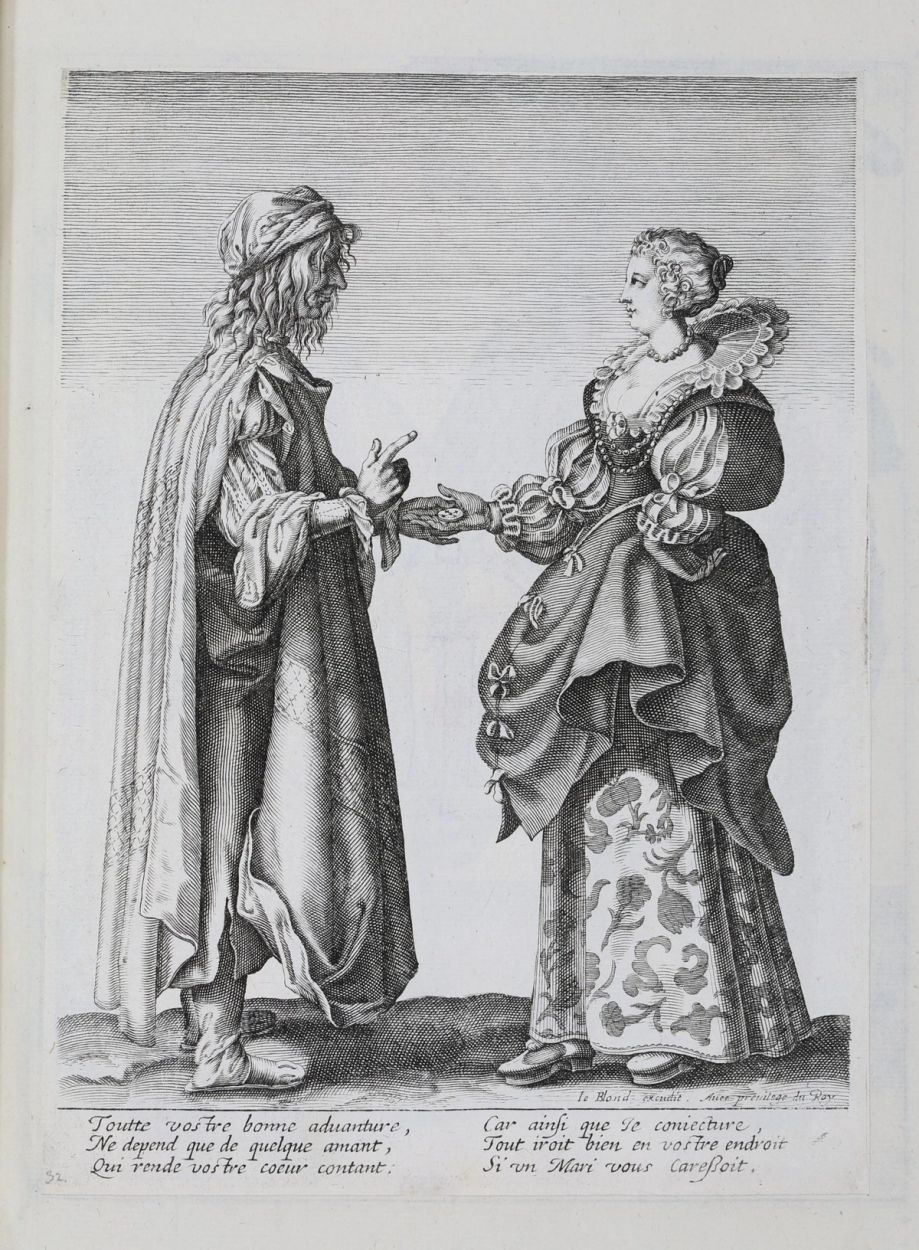

In 18th century England — a period defined by the dominance of Palladianism and classical themes drawn from Greek and Roman mythology — a playful subject such as the fortune teller might appear out of place. This bucolic subject, carved onto a neo-Palladian chimneypiece, conveys a sense of graceful rusticity, moving away from the austerity of mythological narratives.

Cheere revived pastoral themes in his fireplace tablets integrating them into Georgian interiors, often employing the relief à jour technique — as in this example — to exploit the contrast between precious and colourful marbles. The shift in subject matter seen in Cheere’s chimneypieces, and later in the work of craftsmen and architects who followed him, was not accidental. It goes hand in hand with the development of the Rococo in England and, more broadly, with the social transformations that characterised the period.
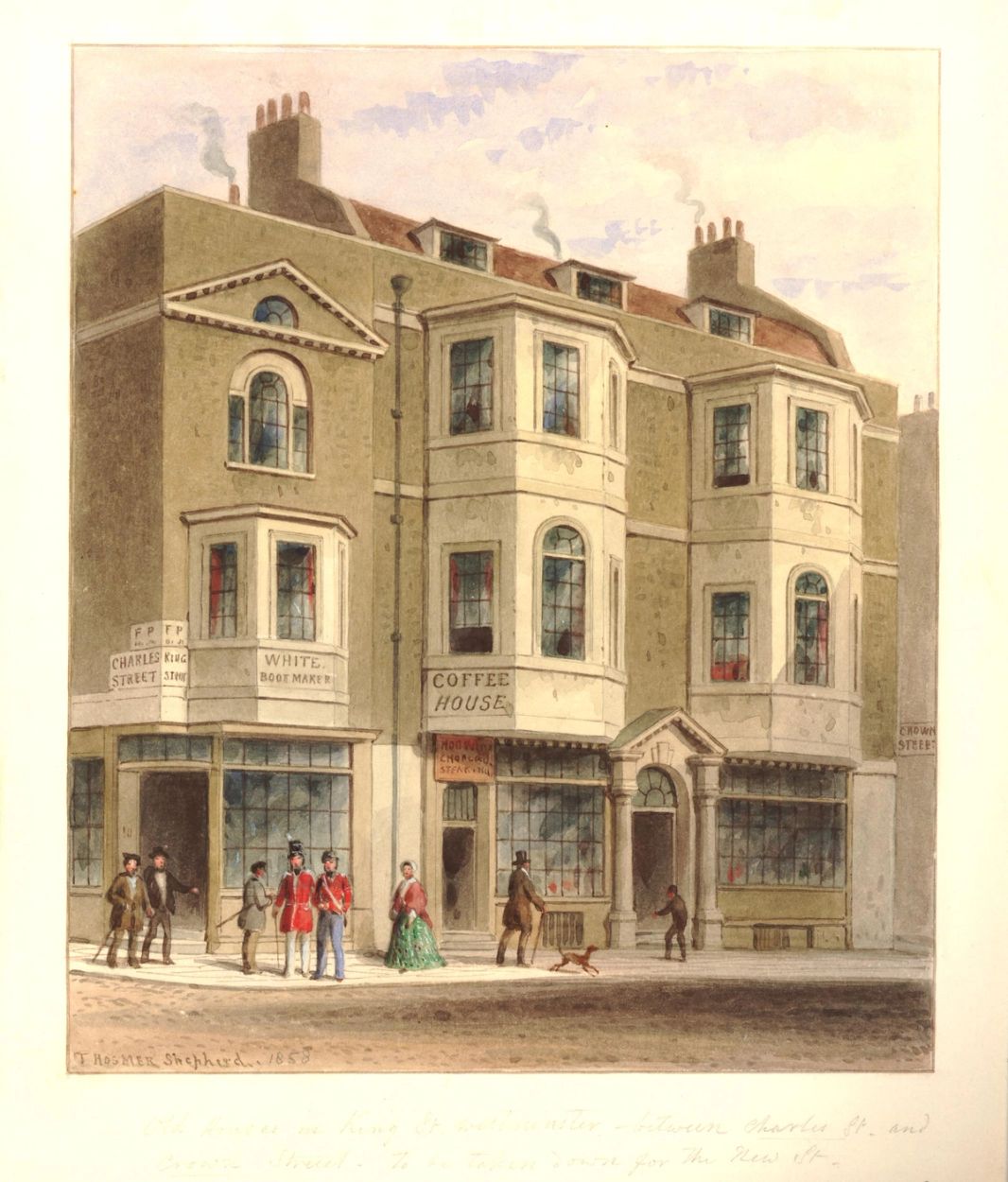
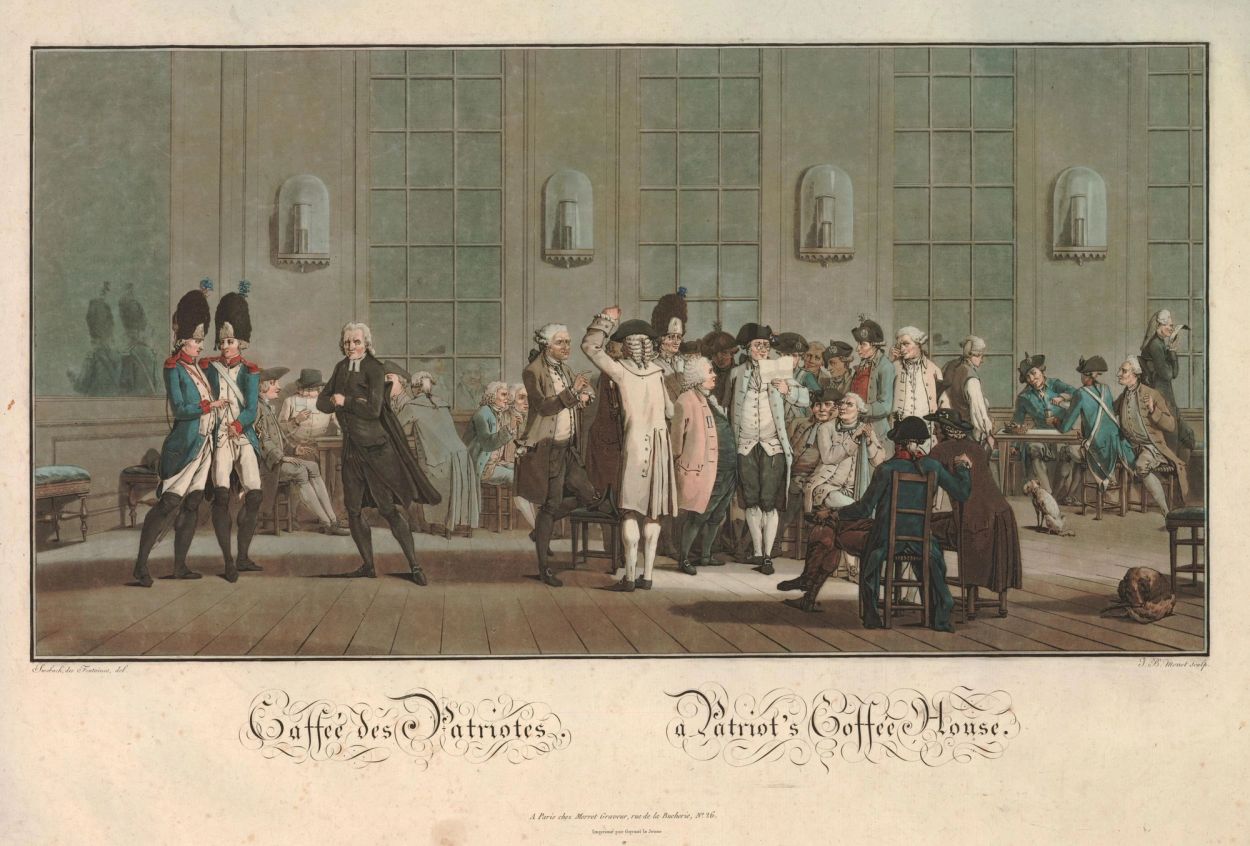
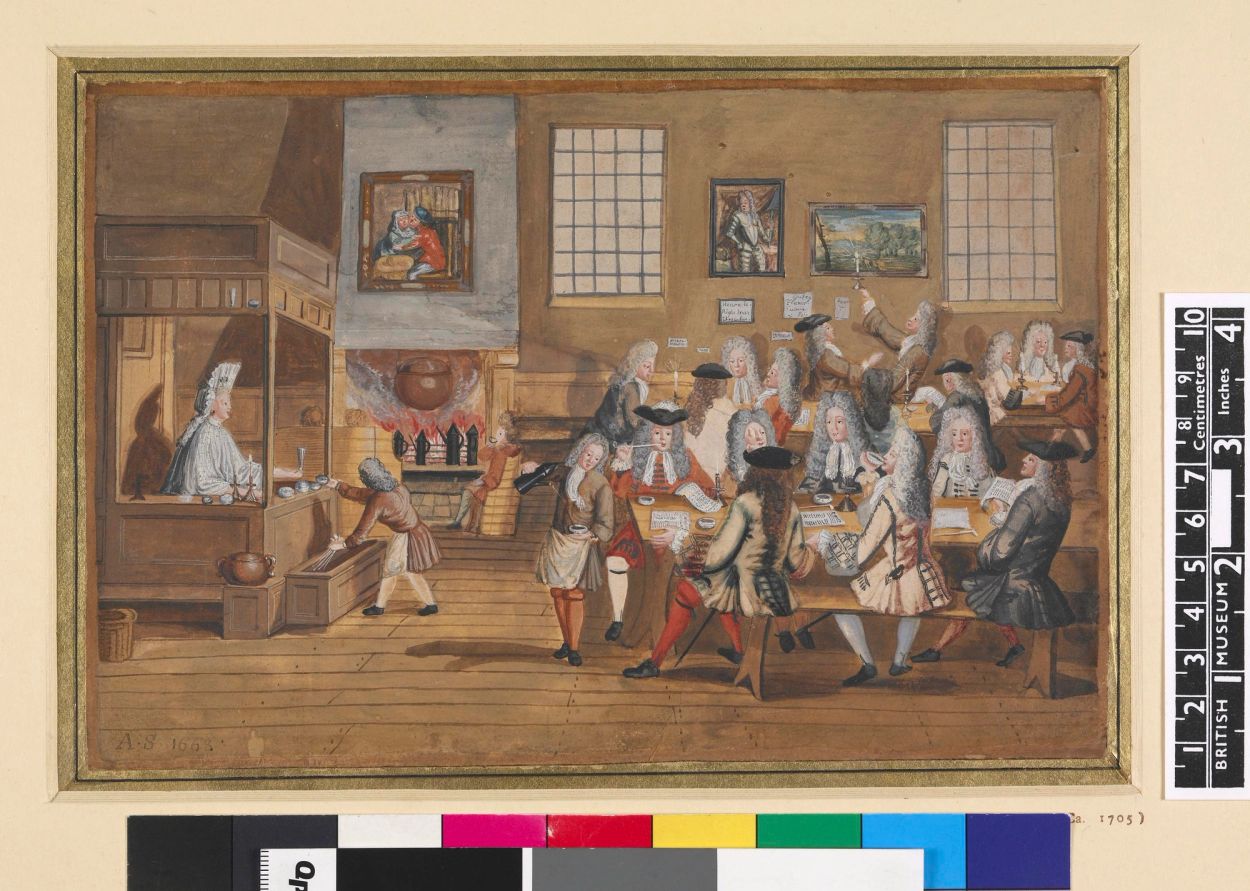
The first half of the 18th century was a relatively peaceful and prosperous time for England. Increased wealth fostered greater cultural awareness, and the art market was no longer restricted to the landed elite. London emerged as a centre of fashion, luxury production and consumption, increasingly accessible to the flourishing middle-class professional. This commercially minded society demanded greater access to cultural information: the rise of newspapers facilitated the diffusion of foreign trends. A vast amount of printed material circulated in London’s coffee houses and taverns, while artists exchanged ideas in newly established members’ clubs. Society became more aesthetically aware, and luxury artefacts developed into a profitable enterprise for a growing number of entrepreneurs, artists, and craftsmen.

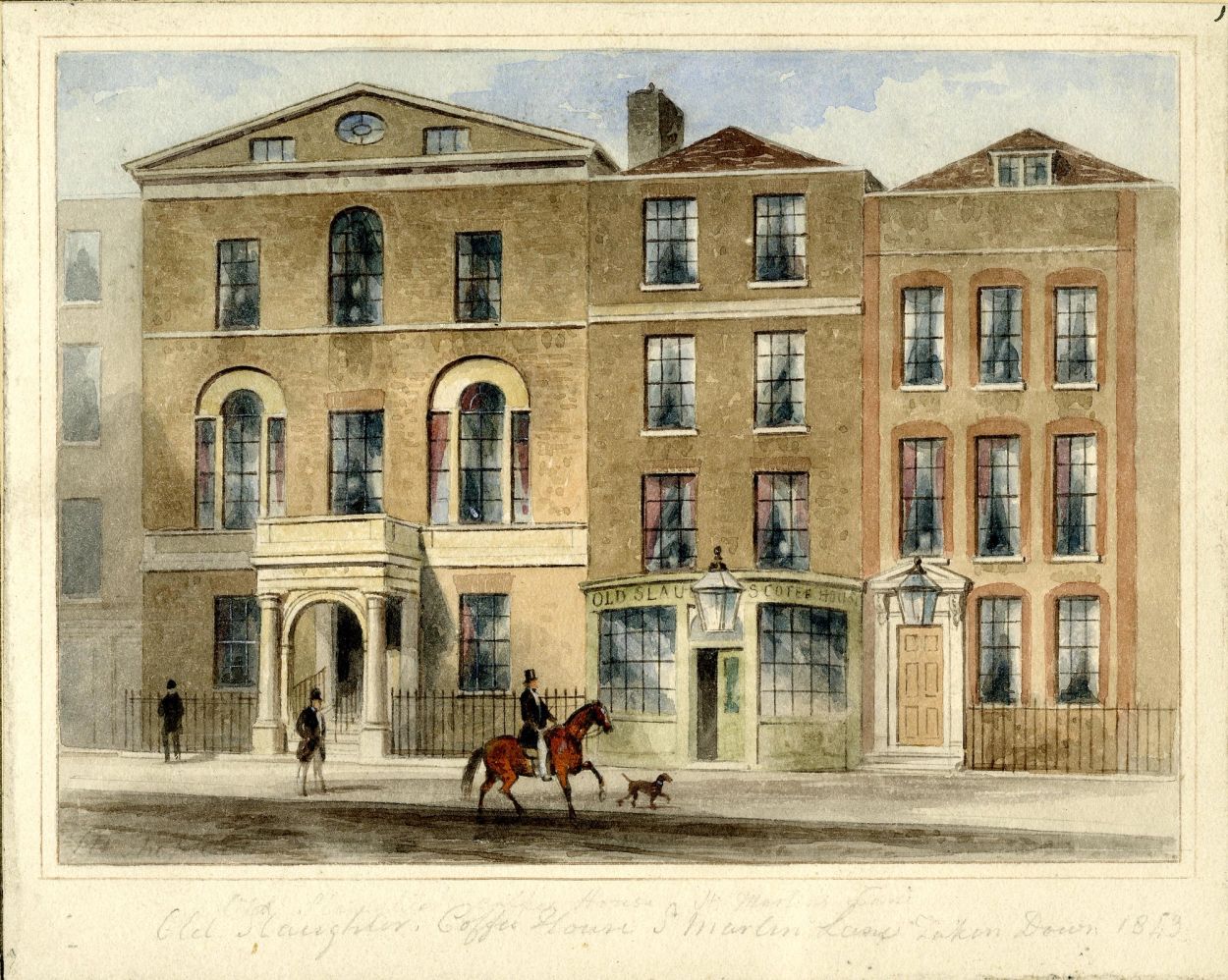
The newly affluent classes favoured compositions that evoked genteel pleasure, leisure and enjoyment themes that created a light-hearted atmosphere, such as those found in Cheere’s tablets. Famously part of the renowned group of artists who gathered at Slaughter’s Coffee House, near St Martin’s Lane Academy, both Cheere and his pupil and later the successful architect James Paine made extensive use of coloured marbles in their chimneypiece compositions, such as Siena and Blue John used in this instance.

The use of prestigious stones often imported from Italy created striking visual contrasts and projected a sense of opulence, refinement and wealth that appealed directly to the emerging wealthy classes. This chimneypiece in its entirety is an exceptionally captivating and timeless composition, reminding us that the human’s obsession with foreseeing the future is indeed eternal. When looking at this central tablet we are all left wondering what fate the fortune teller is revealing to the young lady, turning this fireplace in a conversation piece on the mystery of the unknown and on the desire of unveiling it.